Blog

Category: Compliance

Navigating India’s Compliance Maze

Cybersecurity regulations in India are evolving quickly, significantly impacting sectors like banking, fintech, insurance, manufacturing, and e-commerce. Compliance is now essential for business, not just a regulatory formality. The Reserve Bank of India (RBI) is enforcing stricter measures for banks and fintech, while the Insurance Regulatory and Development Authority of India (IRDAI) is tightening rules for insurers to safeguard customer data. Read this blog to know more about the compliance landscape of India

Read More →
Are disclosures necessary for harmless breaches

Are Disclosures Necessary for “Harmless” Breaches?

If stolen data is encrypted and inaccessible, does it still count as a reportable breach under laws like HIPAA, CCPA, or GDPR? This blog explores how Seclore’s data protection can reduce breach disclosure requirements and exempt your organization from reporting “harmless” breaches.

Read More →
NIS2

NIS2 and Data-Centric Security Are Raising the Bar for Cybersecurity across the EU

NIS2 and data-centric security raise the bar for cybersecurity across the EU by applying to more essential and important entities than ever before. This evolution of NIS regulations are also much more rigorous — imposing specific compliance requirements and stricter reporting and implementation measures. NIS2 also requires entities to manage the cybersecurity risks associated with third parties and security providers. Find out how to evaluate what NIS2 means for your organization, identify key requirements, and understand the benefits of data-centric security.

Read More →

What is the Digital Operational Resilience Act (DORA) and how can Data-Centric Security Help?

While the the EU’s Digital Operational Resilience Act (DORA) isn’t a data security or privacy framework, data security is at the core of digital operational resilience. In order for financial services institutions (FSI) to continuously and effectively function, they must first ensure that their critical data is secure. Seclore’s data-centric security platform helps FSIs meet published DORA standards and better prepare for regulatory technical standards that have not been defined yet.

Read More →

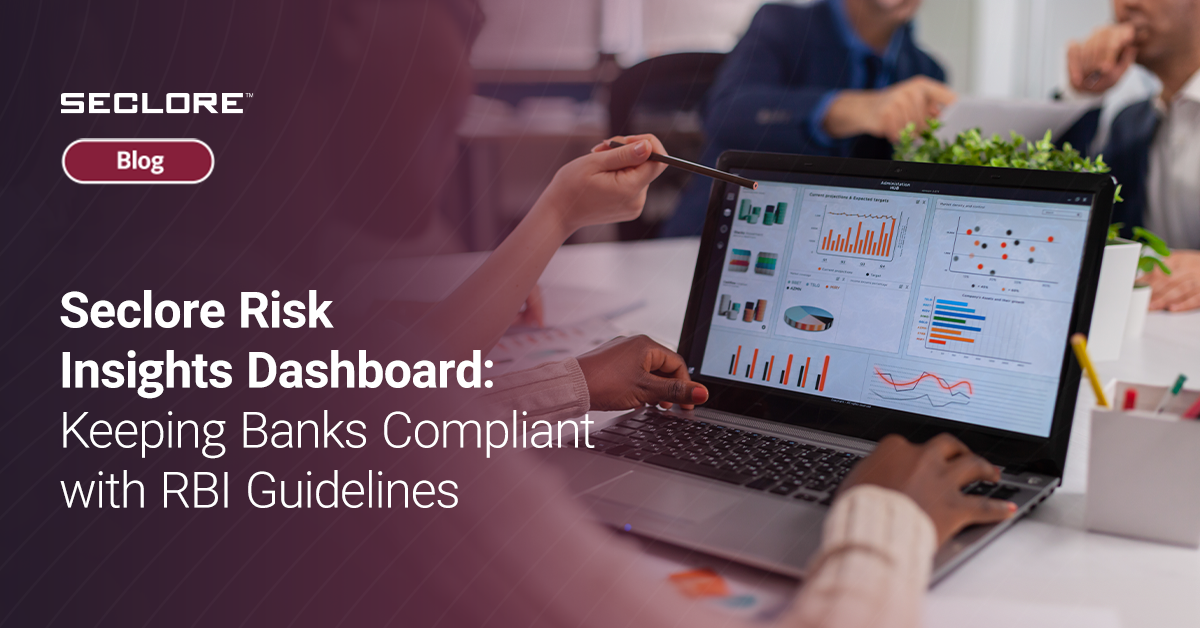
Seclore Risk Insights Dashboard: Keeping Banks Compliant with RBI Guidelines

Banks face challenges in complying with regulations. The Seclore Risk Insights Dashboard helps banks adhere to RBI guidelines through advanced monitoring and reporting. This technology allows for better data access and usage tracking, which is essential for security and regulatory compliance. The Seclore Dashboard offers a comprehensive view and analytics for data management, enabling swift response to threats and facilitating compliance, significantly enhancing security, and simplifying compliance processes for banks.

Read More →

Mastering RBI Compliance for Financial Services

The Reserve Bank of India (RBI) regulations address increasing concerns about outsourcing’s impact on compliance and security in banking and financial services. These regulations include the outsourced IT that banks rely on to ensure accountability, risk management, and compliance. This article addresses the challenges that Indian banks face due to their reliance on paper contracts and NDAs and outlines essential RBI compliance requirements, including IT governance, data protection, vendor management, incident response, and disaster recovery.

Read More →

Navigating India’s Compliance Maze

Cybersecurity regulations in India are evolving quickly, significantly impacting sectors like banking, fintech, insurance, manufacturing, and e-commerce. Compliance is now essential for business, not just a regulatory formality. The Reserve Bank of India (RBI) is enforcing stricter measures for banks and fintech, while the Insurance Regulatory and Development Authority of India (IRDAI) is tightening rules for insurers to safeguard customer data. Read this blog to know more about the compliance landscape of India
Read More →

Vendor Risks to Data Breaches: Tackling DPDP Compliance in Manufacturing

The blog explores data security risks in manufacturing due to third-party vendors, emphasizing compliance with India’s DPDP Act. It highlights vulnerabilities from automation and IoT and outlines practices like data classification, vendor security management, and incident reporting to ensure robust data protection and operational continuity.

Read More →
Are disclosures necessary for harmless breaches

Are Disclosures Necessary for “Harmless” Breaches?

If stolen data is encrypted and inaccessible, does it still count as a reportable breach under laws like HIPAA, CCPA, or GDPR? This blog explores how Seclore’s data protection can reduce breach disclosure requirements and exempt your organization from reporting “harmless” breaches.

Read More →
NIS2

NIS2 and Data-Centric Security Are Raising the Bar for Cybersecurity across the EU

NIS2 and data-centric security raise the bar for cybersecurity across the EU by applying to more essential and important entities than ever before. This evolution of NIS regulations are also much more rigorous — imposing specific compliance requirements and stricter reporting and implementation measures. NIS2 also requires entities to manage the cybersecurity risks associated with third parties and security providers. Find out how to evaluate what NIS2 means for your organization, identify key requirements, and understand the benefits of data-centric security.

Read More →

What is the Digital Operational Resilience Act (DORA) and how can Data-Centric Security Help?

While the the EU’s Digital Operational Resilience Act (DORA) isn’t a data security or privacy framework, data security is at the core of digital operational resilience. In order for financial services institutions (FSI) to continuously and effectively function, they must first ensure that their critical data is secure. Seclore’s data-centric security platform helps FSIs meet published DORA standards and better prepare for regulatory technical standards that have not been defined yet.

Read More →

Seclore Risk Insights Dashboard: Keeping Banks Compliant with RBI Guidelines

Banks face challenges in complying with regulations. The Seclore Risk Insights Dashboard helps banks adhere to RBI guidelines through advanced monitoring and reporting. This technology allows for better data access and usage tracking, which is essential for security and regulatory compliance. The Seclore Dashboard offers a comprehensive view and analytics for data management, enabling swift response to threats and facilitating compliance, significantly enhancing security, and simplifying compliance processes for banks.

Read More →

Mastering RBI Compliance for Financial Services

The Reserve Bank of India (RBI) regulations address increasing concerns about outsourcing’s impact on compliance and security in banking and financial services. These regulations include the outsourced IT that banks rely on to ensure accountability, risk management, and compliance. This article addresses the challenges that Indian banks face due to their reliance on paper contracts and NDAs and outlines essential RBI compliance requirements, including IT governance, data protection, vendor management, incident response, and disaster recovery.

Read More →