Blog

Tag: compliance

Data Privacy Laws in the Middle East: A Compliance Perspective

As digital transformation accelerates, data has become one of the most valuable assets for businesses in the Middle East. The region is seeing a surge in data privacy legislation to protect personal data and enhance cybersecurity, with countries like the UAE, Saudi Arabia, and Oman introducing comprehensive legal frameworks. Businesses must be proactive in demonstrating their commitment to data protection and adhere to emerging regulations to maintain their competitive advantage in a digital marketplace. Read this blog to learn more about the compliance landscape of the Middle East and how data-centric security helps with compliance.
Read More →

What is the Digital Operational Resilience Act (DORA) and how can Data-Centric Security Help?

While the the EU’s Digital Operational Resilience Act (DORA) isn’t a data security or privacy framework, data security is at the core of digital operational resilience. In order for financial services institutions (FSI) to continuously and effectively function, they must first ensure that their critical data is secure. Seclore’s data-centric security platform helps FSIs meet published DORA standards and better prepare for regulatory technical standards that have not been defined yet.

Read More →

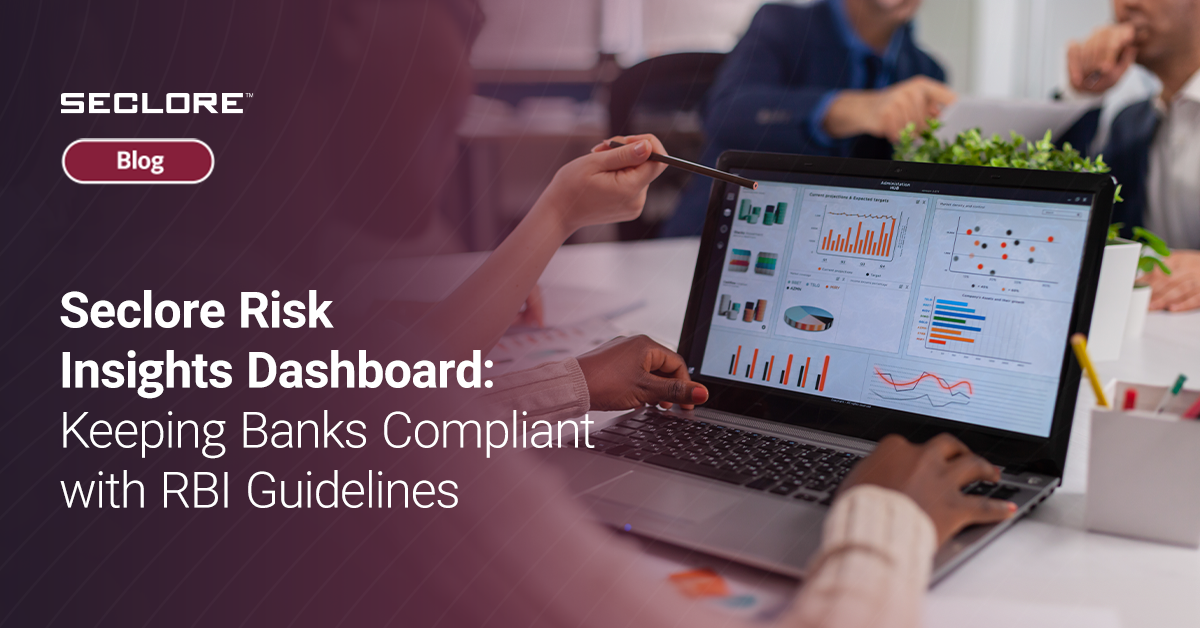
Seclore Risk Insights Dashboard: Keeping Banks Compliant with RBI Guidelines

Banks face challenges in complying with regulations. The Seclore Risk Insights Dashboard helps banks adhere to RBI guidelines through advanced monitoring and reporting. This technology allows for better data access and usage tracking, which is essential for security and regulatory compliance. The Seclore Dashboard offers a comprehensive view and analytics for data management, enabling swift response to threats and facilitating compliance, significantly enhancing security, and simplifying compliance processes for banks.

Read More →

Mastering RBI Compliance for Financial Services

The Reserve Bank of India (RBI) regulations address increasing concerns about outsourcing’s impact on compliance and security in banking and financial services. These regulations include the outsourced IT that banks rely on to ensure accountability, risk management, and compliance. This article addresses the challenges that Indian banks face due to their reliance on paper contracts and NDAs and outlines essential RBI compliance requirements, including IT governance, data protection, vendor management, incident response, and disaster recovery.

Read More →

Securing Data Beyond the Perimeter: Why DLPs and Firewalls Aren’t Enough Anymore

In today’s technology landscape, traditional perimeter security measures such as firewalls and DLP systems are no longer sufficient to protect sensitive data. A more effective approach is data-centric security, which includes four fundamental principles: data classification and labeling, access control at the data level, data encryption, and continuous data monitoring and auditing. By adopting this proactive approach, organizations can meet compliance regulations, prevent insider threats, and secure data in cloud and mobile environments while safeguarding sensitive data from a wide range of cyber threats. Read more to learn more about this approach.

Read More →

Top 3 Best Practices of Data Classification to Boost Your Organization’s Security

Data classification helps safeguard sensitive information, ensure regulation compliance, and optimize resource allocation and incident response. The blog recommends determining sensitivity levels for digital assets, focusing on a minimum lovable scope, and periodic auditing of the classification labels. Data classification aims to establish a comprehensive framework for effective data security and management, building trust with customers and partners, and mitigating legal risks.

Read More →

Navigating the Future: Data Security Predictions for 2024

Read this blog for insights into the future of data security. The author foresees a shift in cybersecurity priorities from device and perimeter protection to data security and discusses the potential challenges that artificial intelligence (AI) could pose to cybersecurity. The post also emphasizes the importance of improved security standards to comply with upcoming regulations and the need for zero-trust cybersecurity in the supply chain.

Read More →

Evolution of Global Data Privacy Laws: What to Expect & Why You Should Care

In 2023, global data privacy laws underwent a significant shift. The US, influenced by the EU’s GDPR, is embracing a rights-based model. States like California, Colorado, Connecticut, Utah, and Virginia are adopting GDPR-like rules. This shift will shape data privacy in the coming years. Read our blog on the Evolution of Global Privacy Laws to grasp the changing landscape, moving from the US harm prevention approach to the EU rights-based model, and understand its importance.

Read More →

Data Privacy Laws in the Middle East: A Compliance Perspective

As digital transformation accelerates, data has become one of the most valuable assets for businesses in the Middle East. The region is seeing a surge in data privacy legislation to protect personal data and enhance cybersecurity, with countries like the UAE, Saudi Arabia, and Oman introducing comprehensive legal frameworks. Businesses must be proactive in demonstrating their commitment to data protection and adhere to emerging regulations to maintain their competitive advantage in a digital marketplace. Read this blog to learn more about the compliance landscape of the Middle East and how data-centric security helps with compliance.

Read More →

What is the Digital Operational Resilience Act (DORA) and how can Data-Centric Security Help?

While the the EU’s Digital Operational Resilience Act (DORA) isn’t a data security or privacy framework, data security is at the core of digital operational resilience. In order for financial services institutions (FSI) to continuously and effectively function, they must first ensure that their critical data is secure. Seclore’s data-centric security platform helps FSIs meet published DORA standards and better prepare for regulatory technical standards that have not been defined yet.

Read More →

Seclore Risk Insights Dashboard: Keeping Banks Compliant with RBI Guidelines

Banks face challenges in complying with regulations. The Seclore Risk Insights Dashboard helps banks adhere to RBI guidelines through advanced monitoring and reporting. This technology allows for better data access and usage tracking, which is essential for security and regulatory compliance. The Seclore Dashboard offers a comprehensive view and analytics for data management, enabling swift response to threats and facilitating compliance, significantly enhancing security, and simplifying compliance processes for banks.

Read More →

Mastering RBI Compliance for Financial Services

The Reserve Bank of India (RBI) regulations address increasing concerns about outsourcing’s impact on compliance and security in banking and financial services. These regulations include the outsourced IT that banks rely on to ensure accountability, risk management, and compliance. This article addresses the challenges that Indian banks face due to their reliance on paper contracts and NDAs and outlines essential RBI compliance requirements, including IT governance, data protection, vendor management, incident response, and disaster recovery.

Read More →

Securing Data Beyond the Perimeter: Why DLPs and Firewalls Aren’t Enough Anymore

In today’s technology landscape, traditional perimeter security measures such as firewalls and DLP systems are no longer sufficient to protect sensitive data. A more effective approach is data-centric security, which includes four fundamental principles: data classification and labeling, access control at the data level, data encryption, and continuous data monitoring and auditing. By adopting this proactive approach, organizations can meet compliance regulations, prevent insider threats, and secure data in cloud and mobile environments while safeguarding sensitive data from a wide range of cyber threats. Read more to learn more about this approach.

Read More →

Top 3 Best Practices of Data Classification to Boost Your Organization’s Security

Data classification helps safeguard sensitive information, ensure regulation compliance, and optimize resource allocation and incident response. The blog recommends determining sensitivity levels for digital assets, focusing on a minimum lovable scope, and periodic auditing of the classification labels. Data classification aims to establish a comprehensive framework for effective data security and management, building trust with customers and partners, and mitigating legal risks.

Read More →

Navigating the Future: Data Security Predictions for 2024

Read this blog for insights into the future of data security. The author foresees a shift in cybersecurity priorities from device and perimeter protection to data security and discusses the potential challenges that artificial intelligence (AI) could pose to cybersecurity. The post also emphasizes the importance of improved security standards to comply with upcoming regulations and the need for zero-trust cybersecurity in the supply chain.

Read More →

Evolution of Global Data Privacy Laws: What to Expect & Why You Should Care

In 2023, global data privacy laws underwent a significant shift. The US, influenced by the EU’s GDPR, is embracing a rights-based model. States like California, Colorado, Connecticut, Utah, and Virginia are adopting GDPR-like rules. This shift will shape data privacy in the coming years. Read our blog on the Evolution of Global Privacy Laws to grasp the changing landscape, moving from the US harm prevention approach to the EU rights-based model, and understand its importance.

Read More →