Blog

Tag: data-centric security

Navigating India’s Compliance Maze

Cybersecurity regulations in India are evolving quickly, significantly impacting sectors like banking, fintech, insurance, manufacturing, and e-commerce. Compliance is now essential for business, not just a regulatory formality. The Reserve Bank of India (RBI) is enforcing stricter measures for banks and fintech, while the Insurance Regulatory and Development Authority of India (IRDAI) is tightening rules for insurers to safeguard customer data. Read this blog to know more about the compliance landscape of India


Read More →

Shedding Light on the Invisible Manufacturing Supply Chain: Fourth-Party Risk

The blog explores the concept of fourth-party risk within the manufacturing supply chain, highlighting how these external suppliers can pose significant challenges that are often not visible to companies. It emphasizes the need for manufacturers to identify and manage these risks effectively to ensure a robust and resilient supply chain. By gaining insight into these invisible risks, businesses can better prepare for disruptions and enhance their overall risk management practices.

Read More →
NIS2

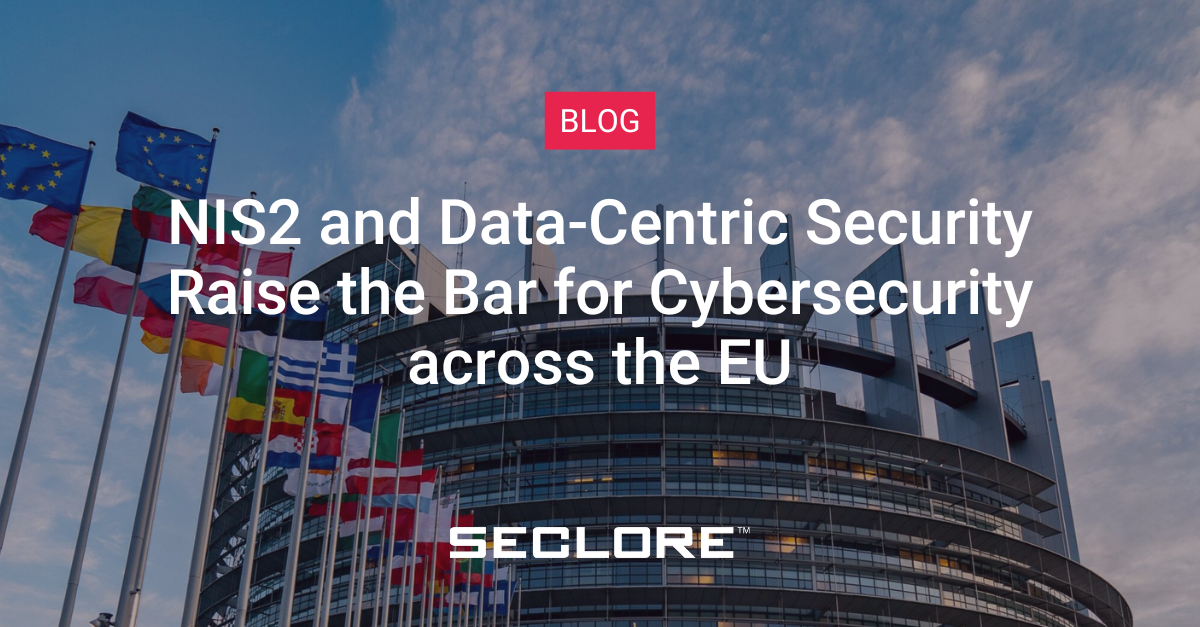
NIS2 and Data-Centric Security Are Raising the Bar for Cybersecurity across the EU

NIS2 and data-centric security raise the bar for cybersecurity across the EU by applying to more essential and important entities than ever before. This evolution of NIS regulations are also much more rigorous — imposing specific compliance requirements and stricter reporting and implementation measures. NIS2 also requires entities to manage the cybersecurity risks associated with third parties and security providers. Find out how to evaluate what NIS2 means for your organization, identify key requirements, and understand the benefits of data-centric security.

Read More →

Data Privacy Laws in the Middle East: A Compliance Perspective

As digital transformation accelerates, data has become one of the most valuable assets for businesses in the Middle East. The region is seeing a surge in data privacy legislation to protect personal data and enhance cybersecurity, with countries like the UAE, Saudi Arabia, and Oman introducing comprehensive legal frameworks. Businesses must be proactive in demonstrating their commitment to data protection and adhere to emerging regulations to maintain their competitive advantage in a digital marketplace. Read this blog to learn more about the compliance landscape of the Middle East and how data-centric security helps with compliance.

Read More →

What is the Digital Operational Resilience Act (DORA) and how can Data-Centric Security Help?

While the the EU’s Digital Operational Resilience Act (DORA) isn’t a data security or privacy framework, data security is at the core of digital operational resilience. In order for financial services institutions (FSI) to continuously and effectively function, they must first ensure that their critical data is secure. Seclore’s data-centric security platform helps FSIs meet published DORA standards and better prepare for regulatory technical standards that have not been defined yet.

Read More →
Data-centric email security

A Comprehensive Guide to Data-Centric Email Security

Email remains the cornerstone of business communication in the digital age, with over 306 billion messages sent daily. However, its popularity makes it a prime target for cyber attacks. Traditional email security methods often fall short, necessitating a shift towards a data-centric security approach to email protection. Approximately 80% of sensitive data lost via email involves an outbound threat. These threats highlight the need for robust security controls and security measures within a comprehensive data-centric security strategy.

Read More →

Protect Your Sensitive Data Before Adopting Copilot for Microsoft 365

Adopting Copilot for Microsoft 365 may sound great in theory, but there are some hidden security risks. While Microsoft has done a great job keeping security in mind, data and information security teams need to be aware that Copilot essentially has the keys to the castle — it can pull sensitive or proprietary information from any file a user has access to. This presents a security risk for most organizations, where it’s likely that users have overly broad access.

Read More →

Navigating India’s Compliance Maze

Cybersecurity regulations in India are evolving quickly, significantly impacting sectors like banking, fintech, insurance, manufacturing, and e-commerce. Compliance is now essential for business, not just a regulatory formality. The Reserve Bank of India (RBI) is enforcing stricter measures for banks and fintech, while the Insurance Regulatory and Development Authority of India (IRDAI) is tightening rules for insurers to safeguard customer data. Read this blog to know more about the compliance landscape of India
Read More →

Shedding Light on the Invisible Manufacturing Supply Chain: Fourth-Party Risk

The blog explores the concept of fourth-party risk within the manufacturing supply chain, highlighting how these external suppliers can pose significant challenges that are often not visible to companies. It emphasizes the need for manufacturers to identify and manage these risks effectively to ensure a robust and resilient supply chain. By gaining insight into these invisible risks, businesses can better prepare for disruptions and enhance their overall risk management practices.

Read More →
NIS2

NIS2 and Data-Centric Security Are Raising the Bar for Cybersecurity across the EU

NIS2 and data-centric security raise the bar for cybersecurity across the EU by applying to more essential and important entities than ever before. This evolution of NIS regulations are also much more rigorous — imposing specific compliance requirements and stricter reporting and implementation measures. NIS2 also requires entities to manage the cybersecurity risks associated with third parties and security providers. Find out how to evaluate what NIS2 means for your organization, identify key requirements, and understand the benefits of data-centric security.

Read More →

Data Privacy Laws in the Middle East: A Compliance Perspective

As digital transformation accelerates, data has become one of the most valuable assets for businesses in the Middle East. The region is seeing a surge in data privacy legislation to protect personal data and enhance cybersecurity, with countries like the UAE, Saudi Arabia, and Oman introducing comprehensive legal frameworks. Businesses must be proactive in demonstrating their commitment to data protection and adhere to emerging regulations to maintain their competitive advantage in a digital marketplace. Read this blog to learn more about the compliance landscape of the Middle East and how data-centric security helps with compliance.

Read More →

What is the Digital Operational Resilience Act (DORA) and how can Data-Centric Security Help?

While the the EU’s Digital Operational Resilience Act (DORA) isn’t a data security or privacy framework, data security is at the core of digital operational resilience. In order for financial services institutions (FSI) to continuously and effectively function, they must first ensure that their critical data is secure. Seclore’s data-centric security platform helps FSIs meet published DORA standards and better prepare for regulatory technical standards that have not been defined yet.

Read More →
Data-centric email security

A Comprehensive Guide to Data-Centric Email Security

Email remains the cornerstone of business communication in the digital age, with over 306 billion messages sent daily. However, its popularity makes it a prime target for cyber attacks. Traditional email security methods often fall short, necessitating a shift towards a data-centric security approach to email protection. Approximately 80% of sensitive data lost via email involves an outbound threat. These threats highlight the need for robust security controls and security measures within a comprehensive data-centric security strategy.

Read More →

Protect Your Sensitive Data Before Adopting Copilot for Microsoft 365

Adopting Copilot for Microsoft 365 may sound great in theory, but there are some hidden security risks. While Microsoft has done a great job keeping security in mind, data and information security teams need to be aware that Copilot essentially has the keys to the castle — it can pull sensitive or proprietary information from any file a user has access to. This presents a security risk for most organizations, where it’s likely that users have overly broad access.

Read More →